
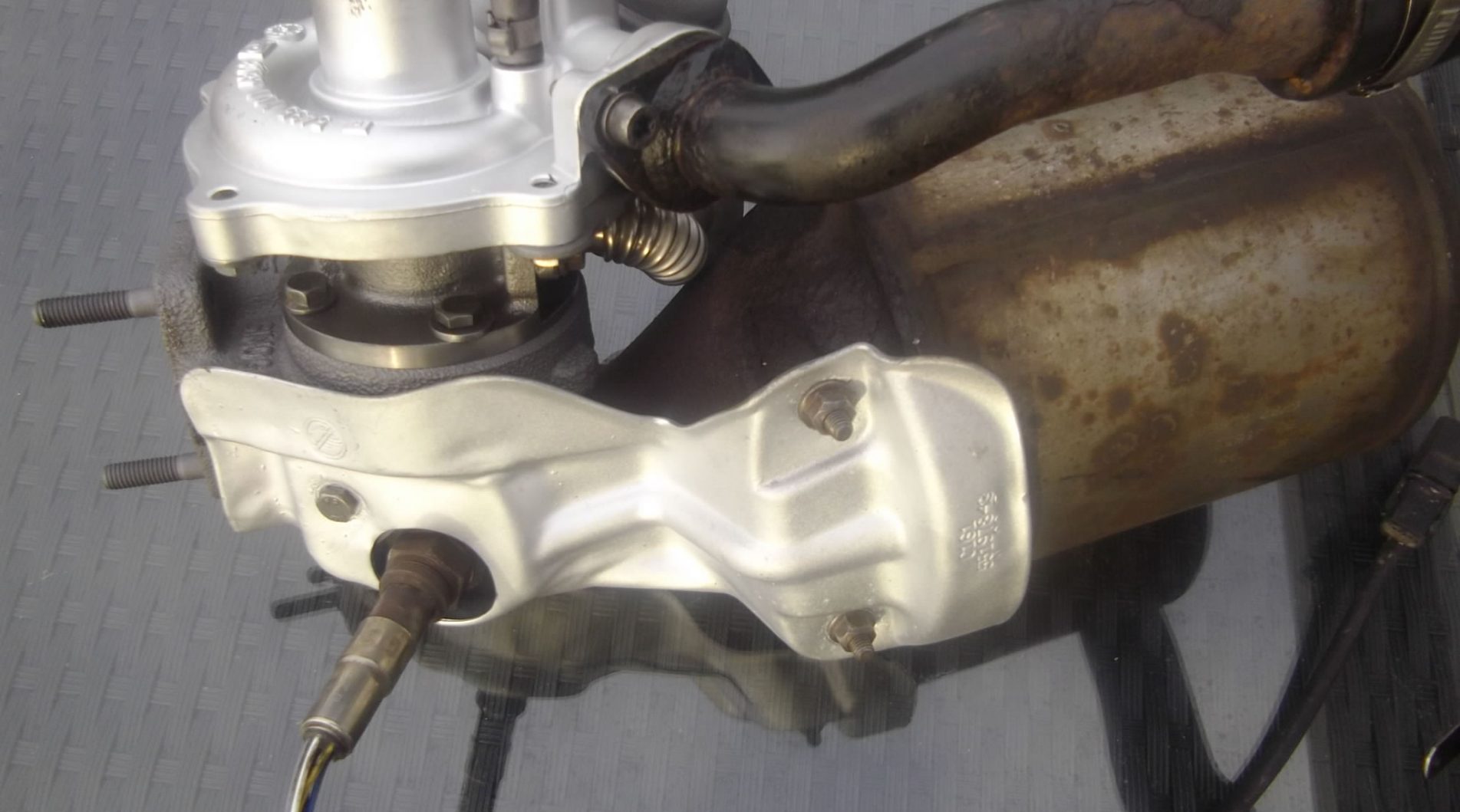
Turbochargers are very reliable; less than one percent of turbos fail due to a manufacturing fault with the turbo itself. 95% of turbo failures are because of problems with oil starvation, oil contamination or foreign object damage.
Before you fit a replacement turbo, find out what caused the first unit to fail or you risk the replacement failing too.
So why does overspeeding damage turbos?
Turbochargers can operate at speeds in excess of 200,000 RPM, with exhaust gases reaching around eight hundred degrees centigrade. Each turbo is designed and manufactured to rotate at the correct speed for its application.
Overspeeding is when the turbo rotates at a greater speed than its operational limits. Overspeeding can push the turbo beyond its operating parameters, causing it to fail by damaging the turbine or compressor wheels and bearings. If the turbo continues to overspeed, it can overboost the engine, resulting in serious damage to the internal components and potentially complete engine failure.
What causes overspeeding?
- A restriction in the air intake filter or pipe work, or a split or detached hose, allowing incorrect amounts of air into the turbo.
- A ‘chipped’ or ‘overfuelled’ engine that isn’t to standard specifications.
- Tampering with the wastegate.
- Worn injectors.
- Loss of signel to the electronic actuator for the wastegate or vnt control.
- Fitting an incorrect turbo.
To prevent turbo failure by overspeeding:
- Check there are no restrictions or leaks in the air intake pipe.
- Ensure wastegate or VNT linkage is operating freely.
- Check the electronic sensors and ECU are operating correctly.
To discuss your turbo issues you can call us on 01253 933794 or go to our website at www.turborepairs.com
As well as overhauling turbochargers we offer ‘off the shelf turbos with two year warranties, core assemblies and electronic actuators.
Turnaround on a repair anywhere in the UK can be as little as 3 working days.